
The Sounds, Signs, and Smells That Mean You Need Brake Repair in Livingston, NJ
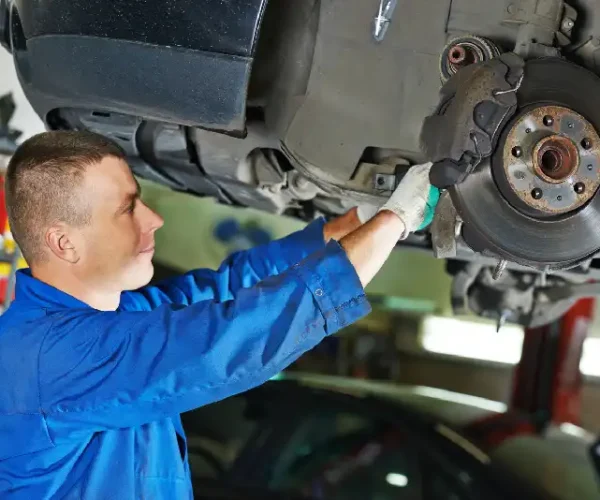
Operating a motor vehicle safely requires total confidence in your ability to stop at a moment notice. Your braking system is the single most critical safety feature on your vehicle, working under immense heat and pressure every time you slow down for a traffic light or navigate heavy commuter traffic. Despite its importance, many drivers overlook the early warning signals that indicate a braking system is starting to deteriorate. Waiting until your vehicle completely fails to stop is a dangerous and costly mistake.
By learning to identify the specific auditory, visual, and olfactory warning signs of worn components, you can address problems before they compromise your safety on the road. Partnering with a trusted local facility ensures that your vehicle stopping power remains fully intact.
High Pitched Auditory Warnings
Your vehicle braking system is engineered to talk to you when it requires professional attention. One of the earliest and most common signs of wear is a distinct, high pitched squeaking or squealing noise when you apply pressure to the pedal. This sound is actually a built in safety feature. Brake pad manufacturers include a small metal indicator tab that becomes exposed as the friction material wears down. When this tab rubs against the spinning steel brake rotor, it creates a piercing alert that tells you it is time to schedule a brake inspection Livingston NJ.
If you ignore the squealing sound, it will eventually progress into a harsh, metallic grinding or growling noise. This sound indicates a severe automotive emergency. At this stage, the friction material on your pads has completely worn away, leaving bare metal backing plates to press directly against the metal rotors. This metal on metal contact ruins the rotors rapidly, reduces your stopping ability significantly, and requires immediate auto brake repair Livingston NJ to prevent complete system failure.
Visual Signs and Physical Sensations
You do not always have to rely on your ears to know when your vehicle requires professional attention; your hands and feet can feel the warning signs too. If you feel a distinct pulsing, fluttering, or steering wheel vibration when stepping on the brake pedal, your rotors may be warped. High heat from heavy braking can cause uneven wear across the rotor surface, preventing the pads from making smooth, consistent contact.
Another serious physical sign is a spongy or soft pedal feel. When you step on the pedal, it should feel firm and provide immediate resistance. If the pedal sinks easily all the way to the floorboard, you could be dealing with air trapped in the lines, a failing master cylinder, or a dangerous brake fluid leak. If you notice fluid puddling under your car or see the dashboard brake warning light illuminate, you must visit a local brake shop Livingston NJ right away to diagnose the system.
Unusual Odors From the Wheels
Your sense of smell can also alert you to underlying mechanical issues. If you smell a sharp, chemical burning odor coming from your wheels after driving down a steep hill or stopping suddenly, your brakes are overheating. This condition is often caused by a stuck caliper piston or an emergency brake that failed to release completely, forcing the pad to drag constantly against the rotor.
Overheated friction materials experience a dangerous condition known as brake fade, where the pads lose their ability to grip the rotors effectively. If you smell burning metal or chemical odors, safely pull off the road immediately, allow the system to cool down completely, and look for professional brake repair Near Me to resolve the mechanical binding before you attempt to drive any further.
The Long Term Savings of Timely Intervention
Many motorists put off scheduling regular automotive checkups because they worry about the immediate cost of replacement parts. However, delaying basic maintenance always ends up costing much more in the long run. Replacing worn pads early is a straightforward, budget friendly procedure. Allowing those pads to wear down completely means you will also have to pay to replace warped rotors, damaged calipers, and worn fluid lines.
Staying ahead of mechanical wear preserves your peace of mind and keeps your repair bills manageable. Entrusting your vehicle to a dependable local provider for auto repair Livingston NJ ensures that every pin, clip, piston, and fluid line is checked by experienced professionals who understand how to keep your vehicle performing safely.
Finding Dependable Local Service
You do not need to travel far to receive premium care for your vehicle stopping system. Choosing a local, community focused specialist means you get faster turnarounds, transparent pricing, and personalized advice tailored to your specific driving habits. When you schedule a professional brake service Livingston NJ, you protect your automotive investment and ensure your vehicle is ready to handle sudden stops, rainy weather conditions, and daily traffic challenges. Do not wait for a complete system failure to take action; pay attention to what your vehicle is telling you today.
Frequently Asked Questions
How long do standard vehicle pads last before needing brake repair Livingston NJ?
On average, front pads last between 30,000 and 70,000 miles depending on your personal driving habits, vehicle weight, and the types of materials used in the pads. City driving with frequent stop and go traffic wears down friction materials much faster than highway driving. Regular inspections help determine the exact remaining life of your pads.
Is it safe to drive my car if the brakes are squeaking or squealing?
While a light squeak might just mean temporary moisture or morning rust on the rotors, a persistent squealing sound means your pad wear indicators are making contact with the rotor. You can still drive the vehicle short distances safely, but you should schedule an inspection promptly before the remaining friction material wears away entirely.
What happens during a comprehensive brake inspection Livingston NJ at your facility?
A thorough evaluation includes measuring the exact thickness of your pads, checking the rotors for heat spots, grooves, or warping, inspecting the calipers for proper movement, and checking all rubber lines for cracks or leaks. Technicians also test the moisture content of your fluid to ensure your hydraulic system operates efficiently.
Why does my vehicle pull to one side whenever I press the brake pedal?
If your vehicle steers sharply to one side when slowing down, you likely have a frozen caliper piston or a collapsed flexible line restricting hydraulic fluid pressure to one wheel. This uneven pressure causes one side to grip harder than the other, creating a dangerous steering pull that requires immediate auto repair Livingston NJ.
How often should I have the fluid flushed during a routine brake service Livingston NJ?
Most automotive manufacturers recommend flushing and replacing your hydraulic fluid every two years or every 24,000 miles. Hydraulic fluid is hygroscopic, meaning it naturally absorbs moisture from the air over time. This internal water buildup lowers the boiling point of the fluid and causes internal corrosion within the steel lines and master cylinder.