
Why Does My Car Smell Like Gas? Common Causes and Solutions
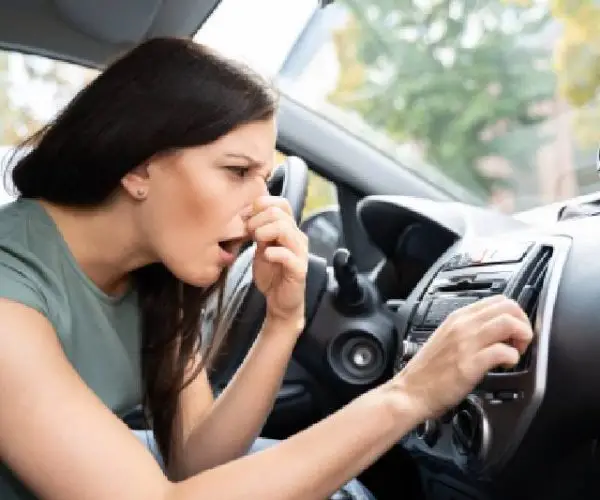
A faint whiff of gasoline is sometimes normal when starting your car, but a persistent or strong odor of fuel is a serious warning sign that should never be ignored. Gasoline fumes are highly flammable, meaning a fuel smell isn’t just a nuisance—it’s a safety hazard for you, your passengers, and your vehicle.
At Livingston Collision, we often perform diagnostic checks for this exact issue. We understand that drivers looking for auto repair near me in Livingston, NJ, want quick, accurate, and affordable car repair Livingston NJ solutions. This guide breaks down the most common reasons why you might smell gas and what steps you need to take immediately.
The Immediate Danger of a Fuel Smell
Before diving into the causes, it’s crucial to understand the risk. The components of your car’s exhaust system and engine are hot enough to ignite gasoline vapors. A strong fuel smell almost always points to a car repair fuel leak somewhere in the system—be it the fuel tank, the lines, or the engine components. If you smell gas, your priority must be safety first.
If the smell is overwhelming or you see fuel dripping, pull over safely, turn off the engine, and exit the vehicle immediately. Do not drive it.
Common Sources of a Gas Smell
The fuel system is complex, running from the gas tank to the engine, with several checkpoints where leaks can occur. Here are the most frequent culprits we find at Livingston Collision:
1. Loose or Faulty Gas Cap (The Easiest Fix)
This is the most common and least dangerous reason for a gas odor. The cap seals the fuel tank and is part of the car’s Evaporative Emission Control (EVAP) system, which prevents fuel vapors from escaping into the atmosphere.
- The Issue: The cap wasn’t tightened properly after refueling, the rubber seal is cracked, or the cap is defective.
- The Sign: You smell gas, and the “Check Engine” light might be on (indicating an EVAP leak).
- The Fix: Tighten the cap until it clicks. If the smell persists, the cap needs replacement.
2. Car Repair Fuel Leak in the Fuel Lines or Hoses
Fuel lines transport gasoline from the tank to the engine. Over time, these lines can rust (especially metal lines) or the rubber hoses connecting them can degrade, crack, or become brittle.
- The Issue: Corrosion, wear-and-tear, or damage from road debris causing a breach in the fuel lines.
- The Sign: A strong, concentrated fuel smell, often accompanied by visible drips or puddles of fuel underneath the car, especially when parked.
- The Fix: Requires professional inspection and replacement of the compromised line or hose. This is a critical safety issue requiring immediate attention from an auto repair near me specialist.
3. Leaky Fuel Injectors or Fuel Rail
In the engine compartment, fuel is delivered under high pressure to the fuel injectors, which spray it into the cylinders. A leak here is dangerous because it is right next to the hot engine.
- The Issue: Worn O-rings on the injectors, a cracked fuel rail, or loose injector connections.
- The Sign: A distinct gasoline smell that is strongest under the hood or when the engine is running. The car may also run rough, misfire, or have trouble starting.
- The Fix: A skilled technician must diagnose the exact injector or seal that is failing and replace it.
4. Charcoal Canister or EVAP System Failure
The EVAP system captures fuel vapors and stores them in a charcoal canister until the engine can burn them. If a hose is disconnected or the canister is damaged, vapors can escape.
- The Issue: A failing canister, damaged EVAP lines, or a vent valve malfunction.
- The Sign: A persistent, sometimes mild, gasoline smell—often noticeable outside the vehicle or when initially starting up.
- The Fix: This system requires specialized diagnostics to pinpoint the leak. While not as immediately catastrophic as a pressure line leak, it still needs prompt car repair fuel leak resolution to prevent fumes from entering the cabin.
5. Spark Plugs and Ignition Problems
If the spark plugs fail to ignite the fuel properly (misfire), unburned fuel can pass through the exhaust system, creating a gas smell.
- The Issue: Fouled spark plugs, faulty ignition coils, or bad timing.
- The Sign: A gas smell mixed with a noticeable lack of power, rough idling, or the engine running poorly.
- The Fix: An auto repair near me expert can easily replace the spark plugs or diagnose the ignition system issue.
Trust Livingston Collision for Safe, Affordable Car Repair Livingston NJ
When dealing with a fuel odor, time is of the essence. Don’t risk driving a car that is leaking fuel. If you suspect a car repair fuel leak, your priority is getting your vehicle to a reputable service center like Livingston Collision safely.
Our experienced technicians will use advanced diagnostic tools (including smoke testers for EVAP leaks) to accurately and quickly locate the source of the fuel smell. We are committed to providing transparent service and affordable car repair Livingston NJ solutions, ensuring your vehicle is not only running perfectly but is also safe for you and your family.
Don’t put off this vital repair. If you need a reliable auto repair near me that prioritizes your safety, contact Livingston Collision immediately.
Smell gas? Don’t wait. Call us right away for an immediate safety check and to resolve your fuel leak!
Frequently Asked Questions (FAQ)
1. Is it safe to drive my car if I only smell a faint gas odor?
We strongly advise against it, especially if the smell is noticeable inside the cabin or around the engine. A faint smell could quickly become a major leak. If you have to drive, keep the windows down and proceed directly to a trusted auto repair near me like Livingston Collision for a complete inspection.
2. Why is a car repair fuel leak so much more dangerous than an oil leak?
Oil is combustible, but gasoline is highly volatile and flammable. Gasoline vapors can ignite instantly upon contact with a hot engine component, an electrical spark, or even a static discharge. Any fuel leak represents a significant fire hazard that requires immediate affordable car repair Livingston NJ attention.
3. If the gas cap is the problem, will the Check Engine light turn off immediately after I tighten it?
Not usually. The vehicle’s computer (ECU) takes a few drive cycles (starting and driving) to verify the leak is fixed. If the light doesn’t turn off after a few days, or if you still smell gas, the issue is likely more serious than the cap and you should schedule a diagnostic check.
4. How long does it take to fix a car repair fuel leak?
The time depends entirely on the cause. A loose gas cap can be fixed in seconds. Replacing a faulty fuel injector or a corroded fuel line requires more labor, often taking a few hours. We always aim to provide the most affordable car repair Livingston NJ by giving you an accurate diagnosis and time estimate upfront.
5. Can a poor-running engine cause the gas smell?
Yes. If your engine is misfiring due to bad spark plugs or a faulty sensor, it won’t burn all the fuel in the combustion chamber. This unburned fuel (raw gasoline) exits through the exhaust, which can create a distinct, strong odor. This requires prompt auto repair near me service to resolve the underlying ignition or fuel delivery issue.