
Front vs. Rear Brake Repair: What Livingston Drivers Should Expect
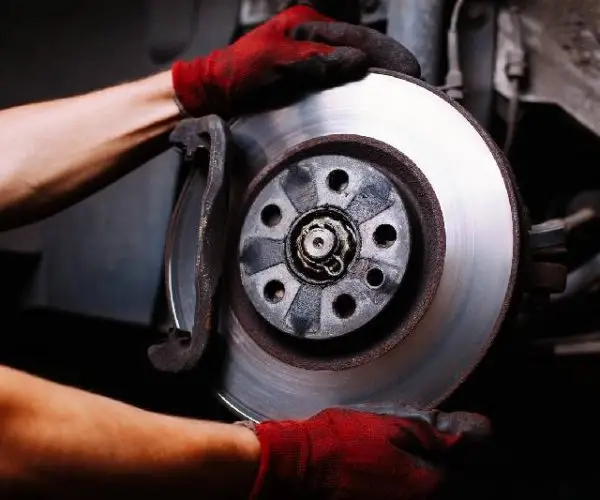
Driving in Northern New Jersey presents a unique set of challenges for any vehicle’s braking system. Whether you are navigating the frequent stop and go traffic on Eisenhower Parkway or slowing down for the winding turns near South Mountain Reservation, your brakes are your most critical safety feature. At Livingston Collision, we believe that an informed driver is a safe driver. Understanding the nuances between front brake repair Livingston NJ and rear brake repair Livingston NJ can help you stay ahead of maintenance and manage your vehicle’s health effectively.
The Mechanics of Stopping: Front vs. Rear
While all four brakes work together to bring your car to a halt, they do not share the workload equally. Most modern vehicles are designed with a front engine layout, which means a significant portion of the car’s weight is concentrated over the front axle. When you apply the brakes, a physics phenomenon known as “weight transfer” occurs. The momentum of the vehicle shifts forward, putting much more pressure on the front wheels.
Because of this, the front brakes typically handle about 70% to 80% of the braking force. This is why front brake repair Livingston NJ is often required more frequently than rear service. Front brakes are usually larger, featuring more robust rotors and brake pads designed to dissipate the intense heat generated by this friction.
Why Front Brakes Wear Faster
If you find yourself searching for a brake service Livingston NJ sooner than expected, it is likely due to the demands placed on the front system. The heat generated during a sudden stop at a busy Livingston intersection can reach several hundred degrees. Over time, this heat causes the friction material on the brake pads to wear down.
Common signs that you need front brake attention include:
- A high pitched squealing sound when braking.
- A steering wheel that shakes or vibrates when you slow down from high speeds.
- Increased stopping distances.
The Role of Rear Brakes
For a long time, rear brakes were considered secondary, but modern technology has changed that. Many newer vehicles utilize “Electronic Brake Force Distribution” to balance the car during light braking. In some instances, the rear brakes are engaged first to prevent the nose of the car from diving forward, which can actually lead to the rear pads wearing out just as fast as the front ones.
When you bring your vehicle in for rear brake repair Livingston NJ, our technicians often look at different components. While many cars have disc brakes all around, some still use drum brakes in the rear. Drum brakes are complex systems with shoes and springs that require specialized knowledge to service correctly. Regardless of the system, the rear brakes are essential for stability and for the proper functioning of your emergency or parking brake.
Understanding the Brake Repair Cost New Jersey Residents Face
One of the most common questions we hear at Livingston Collision involves the brake repair cost New Jersey drivers can expect to pay. It is important to understand that “cheap” brake jobs often cost more in the long run. High quality parts are essential in our climate.
In New Jersey, we experience extreme temperature fluctuations and heavy road salt usage in the winter. This salt can cause corrosion on brake lines and calipers. A standard brake service Livingston NJ at our shop includes a thorough cleaning and lubrication of these parts to prevent “seizing,” which is a common cause of premature wear. While the initial price might vary based on your vehicle’s make and model, investing in premium pads and rotors ensures that you aren’t back in the shop six months later.
The Livingston Collision Difference
At Livingston Collision, we are more than just a body shop. We are a comprehensive center for vehicle integrity. When we perform a brake repair Livingston NJ, we don’t just “slap on pads.” We perform a full system health check. This includes:
- Rotor Inspection: We measure the thickness of your rotors to ensure they meet safety specifications. If they are warped or too thin, they cannot dissipate heat, leading to “brake fade.”
- Brake Fluid Testing: Brake fluid is hygroscopic, meaning it absorbs moisture from the air. In the humid New Jersey summers, this can lead to water in your lines, which lowers the boiling point of the fluid and reduces stopping power.
- Caliper and Hardware Check: We ensure that the mechanical “fingers” that squeeze the pads are moving freely.
Signs You Should Not Ignore
Livingston drivers should stay vigilant for “telltale” signs of brake failure. If your brake pedal feels “mushy” or sinks to the floor, you may have air in your lines or a master cylinder issue. If you hear a grinding metal on metal sound, your pads are likely completely gone, and you are damaging your rotors every time you stop. This turns a simple pad replacement into a much more expensive front brake repair Livingston NJ.
Keeping Your Family Safe on NJ Roads
Your brakes are the only thing standing between a safe stop and a dangerous collision. Whether you need a routine checkup or an emergency rear brake repair Livingston NJ, our team is here to provide the local expertise you deserve. We pride ourselves on transparency and quality, ensuring that every Livingston neighbor drives away with total confidence in their vehicle’s stopping power.
Frequently Asked Questions
How often should I have a brake service Livingston NJ performed?
Most manufacturers recommend a brake inspection every 10,000 to 12,000 miles, which usually aligns with your tire rotation. However, if you do a lot of heavy commuting in Newark or New York City traffic, you may need an inspection more frequently.
Why is my brake repair cost New Jersey higher for a European car?
European vehicles, such as BMW, Mercedes, or Audi, often use softer brake pad compounds for smoother stopping. These pads wear down faster and are designed to be replaced alongside the rotors every time, which can increase the parts cost compared to some domestic or Asian vehicles.
Should I replace front and rear brakes at the same time?
Not necessarily. Since they wear at different rates, it is very common to perform a front brake repair Livingston NJ while the rear brakes still have 50% of their life left. We provide a detailed report on the thickness of all four sets of pads so you can make an informed decision.
What causes my brakes to squeak in the morning?
In our local climate, overnight moisture can cause a thin layer of “flash rust” to form on the iron rotors. The squeaking you hear during the first few stops is usually the pads cleaning that rust off. If the noise persists after a mile of driving, it is time for a professional brake repair Livingston NJ.
Can a collision shop handle mechanical brake repairs?
Yes. At Livingston Collision, we specialize in the total restoration of the vehicle. Many accidents are caused by brake failure, or result in damage to the braking system. Our technicians are trained to handle the complex mechanical and electronic components of modern braking systems.