
Winter in New Jersey: 7 Essential Car Maintenance Tips for New Jersey Drivers
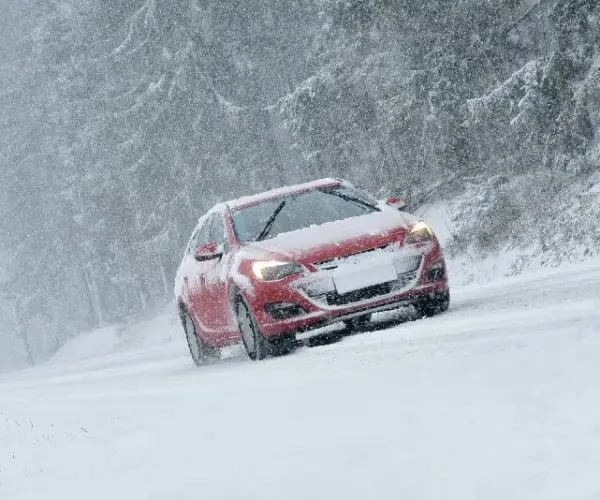
Winter in Essex County is no small feat for a vehicle. Between the freezing temperatures that settle over Livingston and the relentless salt and brine used to clear North Jersey’s hilly terrain, your car faces a gauntlet of challenges. At Livingston Collision, we’ve seen how quickly a small oversight in the fall can turn into a major breakdown on a snowy morning on Route 10.
Preparation is the key to safety. To help our neighbors stay safe and mobile, we’ve compiled this comprehensive guide to winter car maintenance New Jersey drivers need to know.
1. Start with a Comprehensive Winter Car Maintenance Checklist New Jersey
Before the first frost hits, you should run through a winter car maintenance checklist New Jersey style. Because our winters involve heavy road salt and sudden temperature swings, a standard check-up isn’t enough. Your checklist should include:
- Testing the battery (cold weather can sap up to 60% of its power).
- Inspecting the heater and defroster.
- Filling the windshield washer reservoir with winter-grade fluid (standard fluid can freeze and crack the reservoir).
- Checking all exterior lights to ensure visibility during shorter, darker winter days.
2. Prioritize Preparing Your Car for Winter NJ: The Battery
The most common winter service call we receive at Livingston Collision is for a dead battery. New Jersey winters are notoriously hard on lead-acid batteries. If your battery is more than three years old, it may not have the “cold cranking amps” (CCA) necessary to turn over an engine when the temperature drops below freezing. Preparing car for winter NJ means getting a professional load test to ensure your battery is healthy enough to survive a deep freeze.
3. Don’t Skip the Winter Oil Change Tips NJ
Many drivers don’t realize that oil viscosity—how thick or thin the liquid is—changes with the temperature. In the summer, thicker oil is fine, but in a Livingston winter, that same oil can become sluggish, making it harder for your engine to start.
Here are a few winter oil change tips NJ drivers should follow:
- Switch to Synthetic: Synthetic oils are engineered to flow better in sub-zero temperatures, providing instant lubrication to engine parts.
- Check the “W” Rating: Look for multi-grade oils with a low “Winter” rating (like 5W-30 or 0W-20) as recommended by your manufacturer.
- New Filter is Essential: Thick winter oil puts more pressure on your oil filter. Starting the season with a fresh, clean filter prevents bypass valves from opening and allowing unfiltered oil into your engine.
4. Crucial Safety: Check Brakes in Winter NJ
Stopping distance can double or even triple on icy roads. This makes it vital to check brakes in winter NJ before the snow starts to fly. At Livingston Collision, our brake inspections look for more than just pad thickness. We look for:
- Corrosion on Lines: Road salt is highly corrosive and can eat through metal brake lines over time.
- Fluid Contamination: Brake fluid is hygroscopic, meaning it absorbs moisture. In the winter, that moisture can freeze or cause internal corrosion, leading to a “spongy” brake pedal.
- ABS Functionality: Your Anti-lock Braking System is your best friend on a slippery patch of black ice near South Mountain Reservation. We ensure the sensors are clean and the system is ready to pulse correctly when you need it most.
5. Master Winter Car Care NJ: Tire Pressure and Tread
Your tires are the only thing connecting you to the road. As the temperature drops, so does your tire pressure—typically about one pound of pressure for every 10-degree drop.
- The Quarter Test: Place a Washington quarter upside down in your tread. If you can see the top of George’s head, you don’t have enough tread to safely channel slush and snow.
- Consider Winter Tires: All-season tires begin to harden and lose grip at 45F (7C). True winter tires stay soft and pliable in the cold, providing superior traction on North Jersey’s inclines.
6. Combat the “Salt Attack”
New Jersey is famous for its heavy use of road salt. While it keeps the roads open, it is the enemy of your car’s undercarriage. Winter car care NJ should always include a pre-winter wax to protect the paint and regular undercarriage washes throughout the season to rinse away salt buildup that leads to rust and structural damage.
7. Assemble a Winter Emergency Kit
Even with perfect maintenance, the unpredictable NJ weather can leave you stranded. Your trunk should always contain a winter survival kit:
- A sturdy ice scraper and snow brush.
- A small shovel and a bag of sand or kitty litter for traction.
- Jumper cables or a portable jump-starter.
- Warm blankets, extra gloves, and a flashlight with fresh batteries.
Why Choose Livingston Collision for Your Winter Prep?
Since 1961, Livingston Collision has been helping Essex County drivers navigate the changing seasons. We aren’t just a body shop; we are a full-service automotive partner. Whether you need a technical check brakes in winter NJ service or a quick seasonal tune-up, our family-owned shop provides the personalized care your vehicle deserves.
Don’t wait for the first blizzard to find out your car isn’t ready. Take the time now to invest in winter car maintenance New Jersey to ensure you and your family stay safe all season long.
Frequently Asked Questions (FAQ)
1. What is the most important part of winter car maintenance in New Jersey?
While all systems are important, your battery and tires are the most frequent points of failure. Cold weather reduces battery capacity, and worn tires cannot grip icy NJ roads. We recommend a full “winter-ready” inspection to check both.
2. Should I change my oil specifically for the winter in NJ?
Yes. Using a lower-viscosity or synthetic oil can significantly help your engine start during freezing Livingston mornings. Synthetic oil flows more easily than conventional oil in cold temperatures, reducing engine wear.
3. How does road salt affect my car, and how can I prevent damage?
Road salt is highly corrosive to the metal parts of your car, especially the undercarriage and brake lines. To prevent damage, we recommend a professional wax before winter and frequent car washes (including the undercarriage) after every snowstorm.
4. How can I tell if my brakes are safe for winter driving?
If you hear squealing, feel a vibration, or notice your car pulling to one side, you need an inspection. Because winter roads are slippery, any imbalance in your braking system is magnified, making it harder to control your vehicle.
5. What should be in my winter car maintenance checklist for New Jersey?
Your checklist should include: battery health test, tire tread and pressure check, wiper blade replacement, antifreeze/coolant level check, and a thorough inspection of your heating and defrosting systems.