
Oil Change Livingston NJ: More Than an Oil Replacement, It’s Engine Care
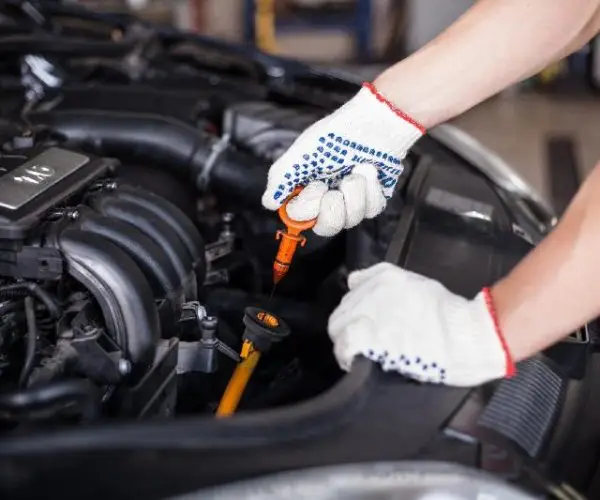
Every vehicle requires routine attention to perform reliably, stay efficient, and remain safe on the road. For drivers in Essex County, navigating daily commutes along Route 10, Interstate 280, and busy local streets places significant demands on engine components. Engine oil acts as the primary defense against heat, friction, and internal wear. However, getting an oil change Livingston NJ vehicle owners can depend on is far more than a simple fluid swap; it is a vital preventative maintenance service that protects your entire engine ecosystem.
At Livingston Collision, located in Livingston, NJ, we know that comprehensive vehicle upkeep saves drivers money and prevents unexpected breakdowns. Understanding how engine oil functions, why routine service matters, and what to expect during a professional inspection helps you protect your investment for years to come.
1. The Critical Role of Engine Oil in Vehicle Health
Engine oil performs multiple functions simultaneously to keep your car operating smoothly. Modern internal combustion engines contain hundreds of fast-moving metal parts that function under extreme heat and intense pressure.
Primary Functions of Engine Oil
- Friction Reduction: Creates a microscopic protective film between moving metal components, preventing friction, surface wear, and heat buildup.
- Heat Dissipation: Absorbs heat generated within the combustion chamber and carries it away from critical engine parts.
- Internal Cleaning: Suspends dirt, carbon deposits, and microscopic metal particles, carrying them directly into the oil filter.
- Corrosion Prevention: Contains chemical additives that neutralize acids, protecting internal metal surfaces from rust and moisture damage.
Over time, continuous heat, friction, and contamination degrade oil quality. As additives break down, oil loses viscosity and turns into thick, abrasive sludge. Neglecting periodic service leaves vital components unprotected, leading to severe internal wear, decreased fuel economy, and potential engine failure.
2. Standard Oil Drain vs. Comprehensive Engine Care
A quick, budget oil change often involves draining old fluid, spinning on an inexpensive filter, and rushing your car out the door. However, true engine care requires a holistic approach. Scheduling a car oil change Livingston NJ driver options should always include a thorough inspection of surrounding mechanical systems.
When you bring your vehicle to a certified auto repair shop Livingston NJ center, a complete service includes:
Comprehensive Multi-Point Inspection
During fluid replacement, qualified technicians inspect critical components to catch wear early:
- Fluid Levels and Condition: Checking transmission fluid, coolant, power steering fluid, and brake fluid levels for leaks or contamination.
- Filter Checks: Inspecting the cabin air filter and engine air filter to ensure smooth airflow and clean interior cabin air.
- Belt and Hose Analysis: Inspecting serpentine belts and radiator hoses for cracks, swelling, or fraying.
- Brake and Suspension Care: Checking brake pads, rotors, and suspension components for excessive wear or damage.
- Tire Pressure and Tread Health: Adjusting tire pressure to manufacturer specifications and inspecting treads for uneven wear patterns.
Catching minor issues during a routine oil change service Livingston NJ visit stops small repairs from spiraling into costly mechanical overhauls.
3. Choosing the Right Oil Type for New Jersey Driving
Not all engine oils are created equal. Modern vehicles require specific oil viscosities and chemical blends based on manufacturer engineering standards. Factors such as winter temperatures, summer heat, and regional traffic conditions in New Jersey influence which formulation performs best in your engine.
| Oil Type | Recommended Use | Key Benefits |
| Conventional Oil | Older vehicles with low mileage and simple engine designs | Basic protection for standard driving conditions |
| Synthetic Blend | Light trucks, SUVs, and commuter cars carrying moderate loads | Enhanced protection against heat, oxidation, and cold weather |
| Full Synthetic Oil | High-performance engines, turbocharged vehicles, and modern models | Superior thermal stability, maximum friction reduction, and extended service intervals |
| High-Mileage Oil | Vehicles with over 75,000 miles on the odometer | Contains seal conditioners to reduce leaks and prevent oil burn-off |
Using the incorrect oil weight or low-grade products can impair engine performance, reduce fuel economy, and invalidate manufacturer warranties.
4. Recognizing the Signs Your Vehicle Needs Fresh Oil
While adhering to recommended mileage intervals is essential, specific driving habits or vehicle conditions may require more frequent visits. Keep an eye out for these warning indicators indicating your engine needs immediate attention:
- Dashboard Warning Lights: The oil pressure warning light or check engine light illuminates on your instrument cluster.
- Dark, Gritty Fluid: Fresh oil has an amber, translucent appearance. Dark, opaque, or gritty oil indicates heavy contamination.
- Knocking or Ticking Noises: Inadequate lubrication causes valve train components or pistons to tick or knock during startup and acceleration.
- Exhaust Smoke: Blue or grey exhaust smoke suggests oil is leaking into the combustion chamber and burning.
- Persistent Oil Smells: Strong burnt oil smells inside the cabin point to active leaks dripping onto hot engine surfaces.
Addressing these symptoms early through a timely oil change Livingston service prevents severe engine damage and keeps your vehicle running safely.
5. The Connection Between Engine Upkeep and Overall Safety
Preventative vehicle care extends beyond engine performance. A vehicle running with clean oil, proper fluid levels, and fresh filters runs cooler and more efficiently. This reliability reduces the risk of unexpected breakdowns in busy traffic, on highway shoulders, or during severe New Jersey winter weather.
Furthermore, routine service appointments provide an opportunity for technicians to evaluate overall structural and mechanical health. Identifying worn brakes, failing steering linkages, or damaged structural components early keeps your vehicle operating smoothly. Should your vehicle ever suffer unexpected body or structural damage from a minor collision or parking lot mishap, working with a comprehensive local provider ensures expert care for both exterior panels and internal mechanics.
Relying on a established Livingston NJ auto service partner protects your car’s resale value, improves fuel efficiency, and gives you total peace of mind every time you start the ignition.
Frequently Asked Questions
How often should I get an oil change in Livingston, NJ?
Service intervals depend on your vehicle manufacturer, age, and oil type. Standard conventional oil typically requires replacement every 3,000 to 5,000 miles, while full synthetic oil lasts between 7,500 and 10,000 miles. Cold winters, stop-and-go commuting, and short trip driving in Livingston may require more frequent service.
Can driving with old oil damage my engine?
Yes. Old, contaminated oil loses its ability to lubricate moving parts and cool engine components. Over time, heat turns old oil into thick sludge, clogging narrow passages, accelerating component friction, overheating internal parts, and potentially causing full engine failure.
What is the difference between conventional and full synthetic oil?
Conventional oil is refined directly from crude oil, making it suitable for simple engine designs and older models. Full synthetic oil undergoes chemical synthesis to create uniform molecules that provide superior thermal resistance, better cold-weather lubrication, and longer lasting protection against friction and breakdown.
Why is my car burning or losing oil between services?
Oil loss can result from external leaks, such as worn valve cover gaskets, oil pan seals, or drain plugs. Internal consumption occurs when worn piston rings or valve seals allow oil to enter the combustion chamber and burn away during normal operation.
Does a routine oil change include a multi-point vehicle inspection?
Yes, a professional service includes a multi-point visual inspection. Technicians check fluid levels, inspect belts and hoses, test tire pressures, check filter conditions, and evaluate brake components to ensure overall vehicle safety and performance.
Schedule Your Engine Service at Livingston Collision
When your vehicle requires accurate mechanical maintenance, fluid care, or expert collision restoration, turn to the team dedicated to quality craftsmanship and transparent service. Visit Livingston Collision in Livingston, NJ, or contact our shop today to schedule your next maintenance appointment and keep your vehicle operating at its best.