
How Long Does Auto Body Repair Take in Livingston, NJ
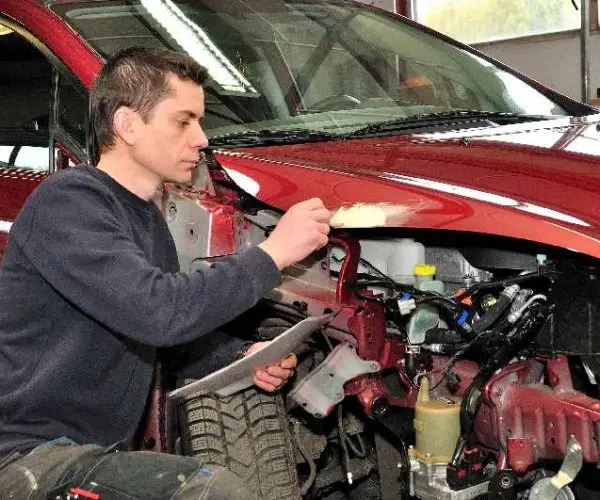
Getting into a vehicle accident along Route 10, Eisenhower Parkway, or South Livingston Avenue turns a routine day upside down. Once your vehicle is safe from the roadside, one major question immediately comes to mind: how long does auto body repair take?
Vehicle owners rely on their cars daily for work commutes, school drop-offs, and running errands throughout Essex County. Waiting for collision fixes can feel like an endless process, especially when managing rental cars and insurance approvals.
Understanding the factors that influence your auto body repair time Livingston NJ helps you plan effectively and reduces stress after an accident. At Livingston Collision, we prioritize clear communication and precise repair scheduling so you know what to expect at every step.
Average Timelines for Car Body Repair
The exact timeframe for fixing a vehicle varies significantly based on damage severity, parts availability, and insurance processing times. However, standard industry benchmarks offer a reliable picture of expected schedules.
| Repair Severity | Typical Scope of Work | Estimated Timeframe |
| Minor Cosmetic Repair | Small dent removal, bumper scuff touch-ups, side mirror replacements | 1 to 3 Business Days |
| Moderate Body Repair | Replacing crumpled fenders, doors, hood alignment, localized painting | 3 to 7 Business Days |
| Severe Collision Repair | Structural frame straightening, airbag deployments, multi-panel replacement | 2 to 4+ Weeks |
| Specialized EV / Luxury Repair | High-voltage disconnections, specialized aluminum joining, ADAS calibrations | 2 to 3+ Weeks |
The 5 Key Phases of the Auto Body Repair Timeline
Restoring a vehicle back to factory safety standards involves far more than simply replacing a damaged panel. A professional repair center follows a structured multi-step process to ensure quality and passenger safety.
1. Initial Estimate & Insurance Authorization: Detailed visual check and insurance claim setup.
Your vehicle undergoes a detailed visual examination to document visible exterior damage. An itemized estimate goes to your insurance company for approval. This initial review phase typically takes 1 to 3 business days, depending on insurance adjuster responsiveness.
2. Vehicle Teardown & Hidden Damage Inspection: Uncovering underlying mechanical and structural issues.
Once insurance approves the initial estimate, technicians carefully disassemble damaged area components. This step reveals hidden structural, suspension, or sensor issues beneath outer panels, triggering a supplemental estimate for insurance review.
3. Parts Ordering & Delivery: Securing necessary original or approved parts.
Required replacement parts are sourced directly from manufacturers or certified suppliers. While common parts arrive within 24 to 48 hours, specialty parts or backordered components can add days or weeks to the overall project duration.
4. Structural Body Repair & Refinishing: Restoring frame alignment and panel fitment.
Technicians utilize computerized measuring systems to pull frame rails back into factory specifications. Replacement panels are fitted, and the vehicle enters a dust-free booth for multi-stage paint matching and curing.
5. ADAS Sensor Recalibration & Final Inspection: Verifying electronic safety and final quality.
Modern vehicles require digital recalibrations for bumper cameras, blind-spot radar, and adaptive cruise sensors. Following reassembly, a comprehensive quality check and road test ensure total safety before key return.
Key Factors That Delay Collision Repair Time in Livingston, NJ
Several external factors can lengthen your collision repair time Livingston NJ, even when working with an experienced repair facility. Recognizing these variables keeps expectations realistic:
COMMON REPAIR DELAY FACTORS
- Insurance Supplemental Approvals (1 to 5 Days)
- Manufacturer Parts Backorders or Shipping Delays
- Complex Advanced Driver Assistance System (ADAS) Coding
- Hidden Frame or Mechanical Damage Found During Teardown
1. Insurance Company Approvals
Insurance adjusters must review and approve estimates before physical work begins. If teardown exposes secondary damage, technicians submit a supplemental claim. Waiting for adjuster approval on supplemental claims can add several days to the overall turnaround.
2. Sourcing Replacement Parts
Supply chain dynamics directly affect your car body repair time. While domestic sedan parts are widely available, rare luxury trim parts, foreign components, or electric vehicle panels may take longer to ship.
3. Advanced Vehicle Electronics and ADAS
Modern cars feature suites of exterior sensors, radar units, and cameras. Calibrating safety features like lane-assist and automatic emergency braking adds necessary technical time, ensuring safety electronics function correctly.
How Livingston Collision Streamlines Your Auto Body Repair Timeline
Delays cause unnecessary hassle. At Livingston Collision, we utilize proven strategies to keep your vehicle moving through each repair stage without sacrificing quality or safety:
- Direct Insurance Coordination: We communicate directly with insurance adjusters, expediting supplemental approvals to prevent unnecessary downtime.
- Proactive Parts Sourcing: Our team identifies and orders necessary replacement components immediately upon claim approval to minimize waiting windows.
- Advanced Diagnostic Tools: In-house computerized measuring systems and ADAS calibration tools allow us to handle complex technical tasks without subletting work to third parties.
- Consistent Status Updates: We keep you informed at every milestone, so you always know where your car stands along the auto body repair timeline Livingston NJ.
What to Do While Your Vehicle Is in the Shop
Managing transportation during repairs is much easier when planned in advance:
- Verify Rental Coverage: Check your auto policy to confirm daily rental car allowances and coverage durations.
- Coordinate Pickup with Your Shop: Work with your repair center to synchronize rental drop-offs directly at the facility for a smooth transition.
- Keep Your Claim Number Handy: Store insurance claim numbers and adjuster contact information on your phone for quick reference during updates.
Trust Livingston Collision for Fast, Reliable Body Repairs
When an unexpected accident occurs, you need a dependable partner who balances swift turnarounds with uncompromising safety standards.
At Livingston Collision, we treat every vehicle with meticulous care, ensuring your car returns to factory specifications efficiently.
Contact Livingston Collision today to schedule an estimate or discuss your vehicle repair timeline.
Frequently Asked Questions
How long does auto body repair take on average?
Average auto body repair takes between 3 to 7 business days for moderate damage. Minor cosmetic repairs like dent removal or bumper refinishing take 1 to 3 days, while severe structural or frame repairs take 2 to 4 weeks or longer.
Why does the repair estimate take longer after teardown?
Teardown reveals hidden structural, cooling, or electronic damage beneath outer panels. Technicians must document these issues and submit a supplemental estimate to your insurance company for formal approval before proceeding with additional work.
Can I speed up my auto body repair time in Livingston, NJ?
You can help speed up the process by filing your insurance claim immediately, choosing a reputable local repair shop right away, and authorizing initial estimates promptly so parts can be ordered without delay.
Will insurance cover my rental car during repair delays?
If you have rental reimbursement coverage on your policy, insurance typically covers rental costs up to your policy limit. If delays occur due to backordered parts or supplemental approvals, your adjuster can extend rental coverage within policy terms.
Does repairing an electric vehicle take longer than a gas vehicle?
Yes, electric vehicles often require extra time for safety protocols such as depowering the high-voltage battery system, specialized aluminum structural repairs, and extensive digital calibrations for active driver assistance sensors.