Hit a Deer on a Livingston Road? What Should You Do Next?
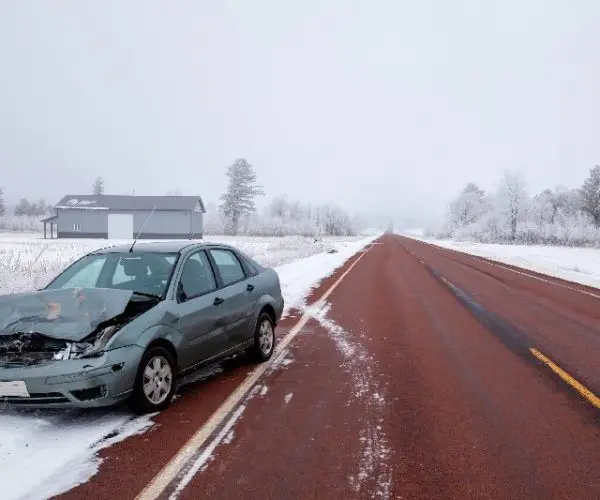
Driving through Essex County offers scenic suburban views, but it also brings a common seasonal hazard: white-tailed deer. Whether you are driving along Route 10, South Livingston Avenue, or navigating the winding stretches near East Hill, animal crossings happen in an instant. A sudden collision with a deer is jarring, stressful, and capable of causing severe damage to your vehicle.
If you hit a deer on a local road, taking the correct immediate steps ensures your physical safety, simplifies your insurance claim, and helps you restore your vehicle properly.
At Livingston Collision, we provide comprehensive auto body shop Livingston NJ services, helping local drivers navigate the post-accident process from scene safety to final structural repairs.
Immediate Steps to Take Right After Hitting a Deer
The moments following an animal impact can feel overwhelming. Staying calm and following a systematic checklist keeps you safe and protects your financial interests.
POST-COLLISION CHECKLIST
- Pull Over safely to the shoulder & turn on hazards
- Check for injuries and remain inside your vehicle
- Call the Livingston Police Department (973-992-3000)
- Photograph vehicle damage, road conditions, and scene
- File a formal police report for insurance records
Here is a breakdown of what to do on the side of the road:
1. Safely Move Your Vehicle and Call Authorities
Pull over to the shoulder or a safe turnout as quickly as possible and switch on your hazard lights. Avoid getting out of the car if you are on a busy roadway or in dark conditions.
Contact the Livingston Police Department or call 911 if anyone is injured or if your vehicle blocks traffic. A formal police report creates official documentation that insurance companies require when processing claims for car damage from deer Livingston NJ.
2. Never Approach the Animal
An injured deer is unpredictable, powerful, and frightened. Approaching a wounded animal risks severe physical injury from sharp hooves or antlers. Stay inside your vehicle until police or animal control officers arrive to secure the scene.
3. Document the Incident Thoroughly
Before moving your car or leaving the area, gather comprehensive evidence using your smartphone camera:
- Take clear pictures of your vehicle from multiple angles, highlighting all front-end impact points.
- Photograph the surrounding road, street signs, weather conditions, and tire marks.
- Take close-up photos showing animal hair, biological trace, or fur embedded in the bumper, grill, or headlights. This evidence helps prove to your insurance adjuster that the damage stemmed from a wild animal strike rather than an unverified fixed object.
Common Hidden Car Damage From Deer Strikes
While broken headlights and crumpled hoods are obvious, deer collisions frequently inflict concealed structural, mechanical, and electronic issues that require expert evaluation.
| Vehicle Zone | Visible Damage | Hidden / Secondary Vulnerability |
| Front Fascia | Cracked bumper cover, missing grille | Damaged radiator support, leaking AC condenser |
| Engine Bay | Denting hood, shattered headlamps | Punctured cooling lines, engine overheating risks |
| Safety Systems | Scratched front panels | Misaligned ADAS radar sensors and parking cameras |
| Unibody Frame | Misaligned fender seams | Pushed-back bumper reinforcement bars and crumple zones |
A complete tear-down and inspection at a professional facility providing collision repair Livingston NJ uncovers these underlying issues before they compromise your vehicle’s safety on the road.
Comprehensive Insurance Coverage: Does Insurance Cover Hitting a Deer?
A primary concern for most drivers after an animal impact is financial responsibility. Vehicle owners often ask: does insurance cover hitting a deer?
The answer depends directly on the specific coverage types active on your auto policy.
| Coverage Type | Applicable Scenarios | Fault Classification & Rate Impact | Deductible Requirement |
| Comprehensive Coverage | Direct animal strikes | Non-collision “not-at-fault” incident (typically no rate increase) | Requires paying deductible |
| Collision Coverage | Swerving to avoid an animal and hitting a guardrail, tree, or another vehicle | At-fault collision incident (may impact future premium rates) | Requires paying deductible |
Understanding Comprehensive vs. Collision Policies
- Direct Impact (Comprehensive Coverage): If your car strikes a deer directly, your insurer categorizes the incident under Comprehensive Coverage (other-than-collision). In almost all states, comprehensive claims are considered not-at-fault events, meaning your base insurance rates generally should not increase solely due to filing the claim. You will only be responsible for paying your elected comprehensive deductible.
- Swerving and Secondary Impacts (Collision Coverage): If you swerve to avoid a deer and hit a guardrail, telephone pole, or another vehicle, the event shifts under Collision Coverage. Insurers treat secondary impacts as driver-at-fault accidents, which can lead to increased policy premiums down the line.
The Repair Process: What Happens at the Auto Body Shop
Restoring a vehicle after an animal collision requires precise craft, advanced machinery, and digital recalibration. When you select a local repair center, your vehicle follows a detailed repair sequence:
1. Initial Intake & Digital Scanning: Identifying electronic diagnostic faults.
Technicians connect factory-grade scan tools to document internal trouble codes, checking active safety modules, engine management, and airbag control systems.
2. Teardown & Frame Inspection: Exposing hidden structural damage.
Damaged bumper covers, grilles, and fenders are carefully removed. Computerized 3D laser measuring equipment checks the unibody frame against exact original factory dimensions.
3. Part Replacement & Mechanical Restoration: Utilizing original equipment components.
Mechanics replace damaged cooling systems, bent bumper supports, and body panels, utilizing original manufacturer parts to preserve vehicle structural integrity.
4. Color Matching & Refinishing: Achieving a seamless factory finish.
New body panels are prepped, primed, and sprayed in a dust-free paint booth, using digital spectrophotometers to match your vehicle’s exact original paint formulation.
5. ADAS Recalibration & Quality Audit: Ensuring active safety features function.
Front radar sensors, adaptive cruise control modules, and lane-departure cameras are recalibrated digitally before a final road test and quality sign-off.
Why Choose Livingston Collision for Your Repairs?
Navigating insurance paperwork and body repairs after an unexpected accident should not disrupt your daily life. Choosing a trusted, local expert ensures your vehicle receives dedicated care and precision workmanship.
Here is what sets Livingston Collision apart for drivers seeking car accident repair Livingston NJ:
- Direct Insurance Handling: We interface directly with your insurance adjuster, submitting detailed supplemental estimates so you never have to middleman communications.
- Advanced ADAS Recalibration: Modern vehicles feature sensitive cameras behind bumpers and grilles. We ensure all safety systems are digitally reset to factory specs.
- Local Convenience: Located conveniently in Livingston, NJ, our shop provides transparent communication, fast turnaround times, and local towing assistance.
- Uncompromising Quality: From frame alignment to computer-matched refinishing, we prioritize structural safety and flawless aesthetic restoration.
Protecting Your Vehicle on Essex County Roads
If you have recently experienced a deer collision, do not leave hidden damage unaddressed. Driving with cracked bumper supports or misaligned safety sensors puts you and your passengers at risk.
Trust the local team at Livingston Collision to restore your car safely and efficiently. Contact us today to schedule your repair inspection or request an estimate.
Frequently Asked Questions
Does insurance cover hitting a deer in New Jersey?
Yes, hitting a deer is covered if you carry Comprehensive Coverage on your auto policy. You will pay your designated comprehensive deductible, while your insurance provider covers the remaining repair costs.
Should I swerve if a deer runs in front of my car?
Safety experts recommend staying in your lane and braking firmly rather than swerving sharply. Swerving into oncoming traffic or off the road into trees causes far worse injuries and shifts the insurance claim from comprehensive to a collision fault claim.
How long does collision repair take after hitting a deer?
Minor cosmetic repairs like replacing a bumper cover and headlight typically take 3 to 5 business days. Extensive front-end repairs involving radiator replacement, frame straightening, or parts backorders can take 1 to 2 weeks.
Will my insurance rates go up after a deer accident?
Because direct animal strikes fall under Comprehensive Coverage, insurers generally classify them as non-fault incidents, meaning your rates typically will not rise solely because of the claim. However, policy rules vary, so reviewing your terms with your agent is recommended.
Can hidden damage make my vehicle unsafe after an animal strike?
Yes. Impact forces can bend underlying frame rails, crack radiator supports, cause coolant leaks, or misalign forward-facing safety cameras without leaving drastic visible damage on the exterior bumper cover. A full professional teardown is necessary to confirm safety.