
Tesla or Electric Car in an Accident? Can Any Body Shop Fix It?
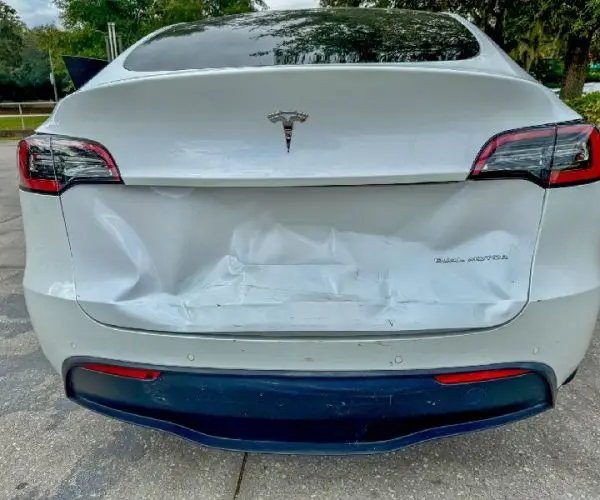
Getting into a motor vehicle collision in Essex County is stressful enough without adding the confusion of modern vehicle technology into the mix. If you drive a Tesla Model 3, Model Y, Model S, Model X, Cybertruck, or another modern electric vehicle (EV), you might be asking yourself a critical question after a fender bender: Can any body shop fix it?
The short answer is no.
Fixing an electric vehicle requires vastly different skills, specialized tooling, structural equipment, and safety precautions than repairing a traditional gasoline-powered car. Taking your car to an unqualified shop can compromise structural integrity, damage the high-voltage drivetrain, or disrupt sensitive safety sensors.
At Livingston Collision, we specialize in advanced auto body repair in Livingston, NJ, giving local drivers clear guidance on EV repairs, insurance claims, and vehicle safety.
Why EV and Tesla Collision Repair Is Radically Different
Standard auto repair shops built their businesses around steel unibody frames, internal combustion engines, and simple body panels. Electric vehicles abandon these traditional designs. Instead, they feature hyper-lightweight aluminum structures, high-voltage battery enclosures, and intricate sensor networks.
| Feature / Aspect | Traditional Vehicle Repair | Electric Vehicle (EV) Repair |
| Structural Materials | Mild & High-Strength Steel Panels | Lightweight Aluminum & Castings |
| Joining Methods | Standard Spot & MIG Welding | Specialized Riveting & Bonding |
| Disassembly & Safety | Basic Mechanical Disassembly | High-Voltage De-Powering Safety |
| Calibration & Alignment | Mechanical Alignment Tools | ADAS & Radar Camera Recalibration |
Here are the main factors that separate everyday repairs from specialized EV body work:
1. High-Voltage Battery Safety Protocols
The battery pack under your vehicle operates at high voltages (typically between 400 to 800 volts). Before any pulling, cutting, structural heating, or paint drying occurs, technicians must perform a systematic high-voltage disconnect procedure.
Exposing an EV battery to improper heating inside a standard paint booth (which regularly reaches 140°F to 160°F) can cause thermal degradation or permanent battery damage. A qualified electric vehicle body shop in Livingston, NJ understands how to monitor battery temps, isolate power lines, and handle high-voltage components safely.
2. Specialized Aluminum & Mixed-Material Joining
Teslas and modern EVs use high amounts of structural aluminum, cast aluminum nodes, and ultra-high-strength steel to save weight and maximize battery range.
- Aluminum cannot be pulled or pounded out like mild steel; it snaps or tears if heated incorrectly.
- Aluminum repairs require specialized clean rooms to prevent airborne steel particles from causing galvanic corrosion on the metal.
- Panels are frequently joined using self-piercing rivets (SPRs) and structural adhesives rather than standard MIG welding.
3. Advanced Driver Assistance Systems (ADAS) & Sensor Calibration
EVs rely heavily on suites of exterior cameras, ultrasonic sensors, and radar modules to power features like Autopilot, lane-keeping assistance, and automatic emergency braking.
Even a minor bumper tap requires careful removal and reinstall of these components. Once body panels are aligned, the shop must perform precise digital camera and sensor recalibrations. If a body shop replaces a bumper or windshield without recalibrating these systems, your car’s active safety features could fail when you need them most.
The Hidden Dangers of Choosing an Unqualified Body Shop
Choosing a general repair shop that lacks experience with modern EV architectures can lead to costly and dangerous complications down the road:
| Risk Area | Standard Repair Mistake | Long-Term Consequence |
| Battery Health | High heat exposure in paint booths | Reduced battery range or catastrophic thermal runaway |
| Structural Integrity | Improper welding on structural aluminum | Failed crash zones in subsequent collisions |
| Safety Electronics | Skipping ADAS sensor recalibration | Malfunctioning blind-spot checks and emergency braking |
| Vehicle Warranty | Using non-approved aftermarket parts | Voided Tesla or manufacturer battery/drivetrain warranty |
When looking for Tesla collision repair in Livingston, NJ, choosing a repair facility that invests in specialized equipment, technical training, and precise measuring systems is vital.
Key Steps in the EV Collision Repair Process
Restoring an electric vehicle to pre-accident condition requires a methodical, multi-step workflow. Here is what happens when you bring your car to a professional facility:
1. High-Voltage Isolation & Diagnostic Scanning:Ensuring safety before any physical work begins.
Technicians perform initial computer scans to identify electronic faults and battery health metrics. The high-voltage system is then safely disconnected and depowered following factory guidelines.
2. Digital Structural Measuring & Disassembly:Verifying frame alignment within millimeter precision.
Damaged panels are carefully removed to inspect underlying structural rails, crash boxes, and battery protective shields. Computerized 3D measuring systems compare frame alignment against factory blueprints.
3. Aluminum Structural Repair & Structural Bonding:Restoring factory strength through approved joining methods.
Using dedicated non-ferrous aluminum tools, self-piercing rivets, and structural epoxies, damaged frame components and outer panels are replaced or meticulously restored to exact specifications.
4. Temperature-Controlled Refinishing & Painting:Protecting battery integrity during curing.
Vehicles receive precision computer color matching. Paint booth temperatures are strictly monitored and controlled to protect the sensitive battery pack during the paint curing process.
5. System Re-Powering & ADAS Sensor Recalibration:Verifying electronic safety systems.
The high-voltage battery is safely reconnected. Every radar module, sonar sensor, and camera unit undergoes full digital calibration and road testing to verify active safety features function properly.
What to Look For in a Local Livingston, NJ Repair Facility
If you reside in Livingston or nearby towns like Short Hills, Millburn, East Hanover, or West Orange, you need a local partner who understands the complexities of luxury and electric vehicles.
Here are four non-negotiable qualities to look for when choosing a shop:
- Dedicated Equipment & Clean Space: Look for a shop equipped with specialized aluminum pullers, rivet guns, and dedicated clean-repair bays to prevent metal cross-contamination.
- Insurance Claim Navigation: Dealing with insurance companies after an EV accident can be challenging. A full-service auto body shop in Livingston, NJ will work directly with your insurer, advocate for original equipment manufacturer (OEM) replacement parts, and ensure proper repair procedures are covered.
- Advanced Diagnostic Capabilities: The facility must possess up-to-date diagnostic scanners capable of clearing fault codes, testing battery isolation, and recalibrating ADAS safety hardware.
- Local Reputation & Convenience: Choosing a reliable local business means faster turnarounds, direct lines of communication, and easy access to towing services or rental car coordination right here in Essex County.
Whether you drive a Tesla, Rivian, Lucid, Porsche Taycan, or Hyundai Ioniq, working with a local team experienced in EV collision repair in Livingston, NJ gives you total confidence when getting back behind the wheel.
Trust Livingston Collision for Your EV and Tesla Body Repairs
At Livingston Collision, we combine decades of local craftsmanship with the modern tools and technical knowledge needed to handle complex electric vehicles.
If you need a reliable Tesla body shop in Livingston, NJ, or standard auto body repair in Livingston, NJ, our team is ready to walk you through every step of the process from seamless insurance assistance to digital paint matching and frame alignment.
Don’t leave your electric vehicle’s safety to chance. Contact Livingston Collision today to schedule your repair consultation or estimate.
Frequently Asked Questions
Can any auto body shop fix a damaged Tesla or EV?
No, fixing a Tesla or modern EV requires specialized tooling, high-voltage safety training, aluminum repair bays, and electronic calibration gear. Standard auto repair facilities often lack the necessary equipment to safely work on high-voltage battery systems or lightweight structural aluminum.
Will taking my electric vehicle to an independent body shop void my warranty?
No, Federal law protects your right to choose where your vehicle gets repaired. However, using improper repair procedures, unapproved structural welding, or non-compliant aftermarket parts can invalidate specific parts of your manufacturer warranty. Working with an experienced repair shop ensures factory-aligned procedures are maintained.
Why does collision repair on electric vehicles take longer than gas cars?
EV repairs often take longer due to necessary safety steps (like depowering and isolating the battery pack), specialized aluminum joining techniques, required original equipment manufacturer (OEM) parts sourcing, and post-repair digital recalibrations for cameras and safety sensors.
How do body shops protect the battery pack during repairs?
Technicians perform a high-voltage disconnect procedure to depower the battery before starting work. Additionally, temperatures inside the paint drying booth are regulated and capped to prevent thermal stress or degradation to the battery modules located underneath the passenger cabin.
How do I know if my insurance policy covers EV-specific repair procedures?
Most comprehensive auto insurance policies cover collision repairs on electric vehicles. However, insurance adjusters may sometimes overlook required EV procedures like battery disconnections or camera recalibrations. A qualified auto repair facility will communicate directly with your insurance provider to ensure all necessary safety operations are fully covered.