
Low Oil Warning? Don’t Risk It—Tow Your Car Now
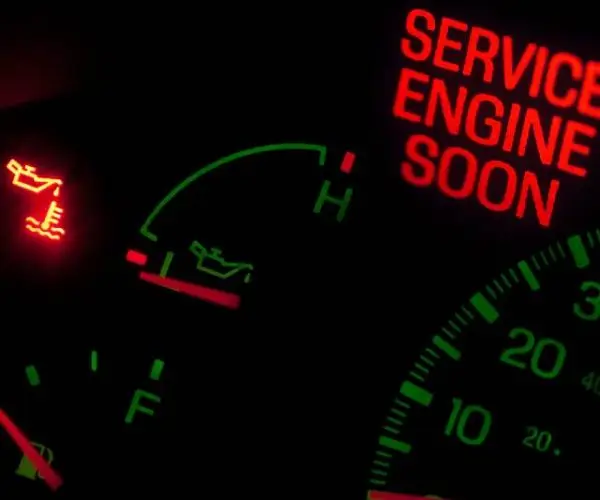
For drivers in Livingston, NJ, seeing a dashboard light illuminate can be stressful. But few warnings are as urgent and potentially disastrous as the car oil warning. That little light—often shaped like an old oil can—isn’t just a reminder; it’s a critical safety alert that your engine is experiencing an emergency.
At Livingston Collision, we are committed to providing reliable service and proactive advice. When that oil light turns on, ignoring it is the quickest path to a completely ruined engine. We’re here to explain why this warning is so serious, what happens if you ignore it, and why your first action should be to call a reliable car towing service Livingston NJ.
The Engine’s Worst Nightmare: Losing Lubrication
Your vehicle’s engine is a complex machine with dozens of metal parts moving at incredibly high speeds—pistons, crankshafts, and valves. These parts generate tremendous heat and friction. Engine oil acts as the essential barrier, coolant, and cleaner for these components.
What the Car Oil Warning Light Really Means:
The light typically indicates a drop in oil pressure, not just a slightly low oil level. Pressure is what forces the oil through tiny passages to lubricate every vital part. A loss of pressure means:
- Extremely Low Oil Level: There isn’t enough oil in the pan for the pump to circulate.
- Pump Failure: The oil pump itself is failing to build or maintain pressure.
- Oil Leak: A significant leak has rapidly drained the system.
In all these scenarios, the critical moving parts are grinding against each other without proper lubrication. This is happening right now in your engine.
The Immediate and Catastrophic Consequences
If you attempt to drive even a short distance with the oil pressure light on, you are almost guaranteed to cause severe, irreparable damage to your engine. This is why immediate cessation of driving is the most vital of all emergency car service procedures.
1. Metal-on-Metal Grinding
Without a layer of oil between them, the metal components instantly begin to scrape. This generates immense heat and creates microscopic metal shavings that circulate through the system, acting like sandpaper.
2. Overheating and Warping
The oil is responsible for carrying away up to 40% of the heat generated by the engine. Without it, the engine temperature spikes dramatically. The pistons, connecting rods, and cylinder walls can quickly overheat, warping and seizing.
3. Engine Seizure (Total Failure)
When the parts get hot enough, they weld themselves together—this is called engine seizure. At this point, the engine stops completely and cannot be restarted. This massive mechanical failure results in the need for a complete engine replacement, which can cost thousands of dollars, far exceeding the cost of any minor repair or a tow.
Your Only Safe Response: Call for a Tow
We cannot stress this enough: when the low oil light comes on, the engine is already experiencing damage. Every second you run it, that damage is compounded. Do not try to drive to a gas station, do not try to drive to your home, and do not try to drive to a shop. Your immediate next steps should be guided by this principle of minimizing damage:
Step 1: Safely Pull Over Immediately
Turn on your hazard lights and coast to the nearest safe location, such as a parking lot, rest stop, or the side of the road, as soon as possible. Turn the engine off immediately.
Step 2: Avoid Starting the Engine
Do not restart the engine to “see if the light goes off” or to try and move to a better spot. The damage happens upon ignition.
Step 3: Call a Reliable Car Towing Service Livingston NJ
The only safe way to get your car to Livingston Collision for diagnosis and repair is by having it towed. We recommend having the contact information for reliable towing services near me ready in your phone. A quick, professional tow will save your engine.
Proactive Car Maintenance Tips to Prevent Disaster
While a sudden oil pressure loss can happen, most oil-related catastrophes are preventable. Regular maintenance checks are your best defense against having to call for emergency car service.
- Check Your Oil Level Regularly: Don’t wait for the light. Check the dipstick once a month. If the level is consistently low, you have a leak or are burning oil, which needs addressing.
- Adhere to Your Oil Change Schedule: Follow the manufacturer’s recommendation for oil and filter changes. Modern synthetic oils last longer, but the filter still gets clogged. This is a crucial aspect of responsible vehicle ownership.
- Use the Right Oil: Always use the type and weight of oil specified in your owner’s manual. Incorrect oil can affect pressure and lubrication.
- Inspect for Leaks: Periodically check the area where you park for any drips or puddles. Oil leaks are often visible as dark brown or black fluid.
Livingston Collision: Your Partner for Emergency Car Service
At Livingston Collision, we specialize in comprehensive auto service Livingston NJ and are here to help you prevent the need for an engine replacement. If you see the car oil warning light, our team is ready to provide fast, expert service.
We work closely with local car towing service Livingston NJ providers and can arrange prompt pickup to get your vehicle to our facility safely. Don’t gamble on your engine’s life. When that light goes on, call us, and then call a tow truck. Trust the professionals at Livingston Collision to get your vehicle repaired right.
If your oil light is currently on, do not drive. Call for a tow and have them bring your vehicle to Livingston Collision for a complete, professional engine assessment.
Frequently Asked Questions (FAQ)
1. What is the difference between the low oil level light and the low oil pressure light?
The low oil level light (if your car has one, often amber) simply means the quantity of oil is low. The low oil pressure light (usually red, shaped like an oil can) is far more critical. It signals that oil is not circulating correctly, meaning the engine is starved of lubrication, necessitating immediate emergency car service and a tow.
2. Can I just add a quart of oil instead of calling a car towing service Livingston NJ?
No. While adding oil is the solution for a low level, the pressure light means the engine is already experiencing damage, or the pressure issue is due to a failing pump or serious leak. Starting the engine again to run to a store could cause irreversible damage. Call towing services near me and get the car to us so we can determine the cause of the pressure loss.
3. How often should I check my oil as part of my car maintenance tips?
We recommend checking your oil level with the dipstick at least once a month, regardless of your oil change schedule. Look for a gradual drop in the oil level, which indicates a problem that can be fixed before the car oil warning light comes on.
4. What will it cost to tow my car to Livingston Collision?
Towing costs vary based on distance and time of day. However, the cost of a tow is almost always insignificant compared to the cost of replacing a seized engine (which can cost thousands of dollars). We work with several local car towing service Livingston NJ providers and can help coordinate an affordable and fast pickup.
5. Besides the oil, what else can I do to prevent engine failure?
Following good car maintenance tips is key. In addition to timely oil changes, make sure you never ignore an overheating engine (indicated by a high temperature gauge or steam) and address any strange noises (like knocking or ticking) immediately. Timely auto service Livingston NJ at our shop is the best preventive measure.